Active, not just treated: Dr. Ulrike Vogelmann on Brain Stimulation for Depression
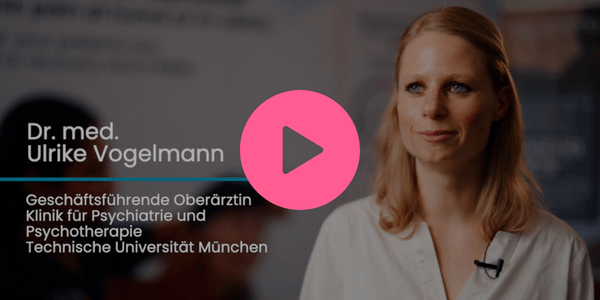
An expert who bridges research and clinical practice
Dr. Vogelmann is involved in the field of brain stimulation for depression in two ways: in treatment and in research. At the Klinikum rechts der Isar, she heads a ward specializing in brain stimulation procedures.
In addition, she heads the research group “Non-invasive Brain Stimulation and Neuroplasticity.” She has contributed to numerous studies on procedures such as rTMS and tDCS—with depression as her primary clinical and scientific focus.
Why can brain stimulation help with depression?
According to Dr. Vogelmann, brain stimulation is “the third pillar of treatment for psychiatric disorders”—alongside psychotherapy and medication. The idea behind it is that in depression, certain activity patterns in the brain become unbalanced. Transcranial direct current stimulation, or tDCS for short, uses a weak direct current to help restore this balance.
Help for Patients Who Would Otherwise Wait Too Long
What the renowned specialist particularly appreciates about home use is that it reaches patients who would otherwise fall through the cracks: Many people with moderate depression urgently need help, but do not get it or only get it late. “The evidence is particularly strong for these patients,” says the expert, and the therapy at home is often particularly helpful for working professionals or people with family obligations.
What sets Sooma tDCS apart?
Treatment with Sooma tDCS is possible to do at home: a weak current is delivered via contact pads; an app guides the patient in doing the treatment.
Dr. Vogelmann illustrates how well this works with an example from her daily practice: “Even patients over 80 can use the Sooma app without any problems.” For the clinic, the system offers a second advantage—treatment data can be analyzed across the entire patient population, making it easy to track the success of therapy.
When Patients Take an Active Role Again
Dr. Vogelmann has been using Sooma tDCS since around 2023. What she observes doesn’t just concern the symptoms. “Patients have the feeling that they can actively do something themselves,” she says – and that they can regain control over their depressive symptoms. Anyone who notices that the treatment is effective usually sticks with it reliably, and that is the case with most patients.
Another Path Out of Depression
The good news is this: Depression can be treated in various ways today. tDCS offers a gentle, medication-free option—one that puts patients in control, allowing them to proceed at their own pace, naturally with the support of their treatment team.
Latest news
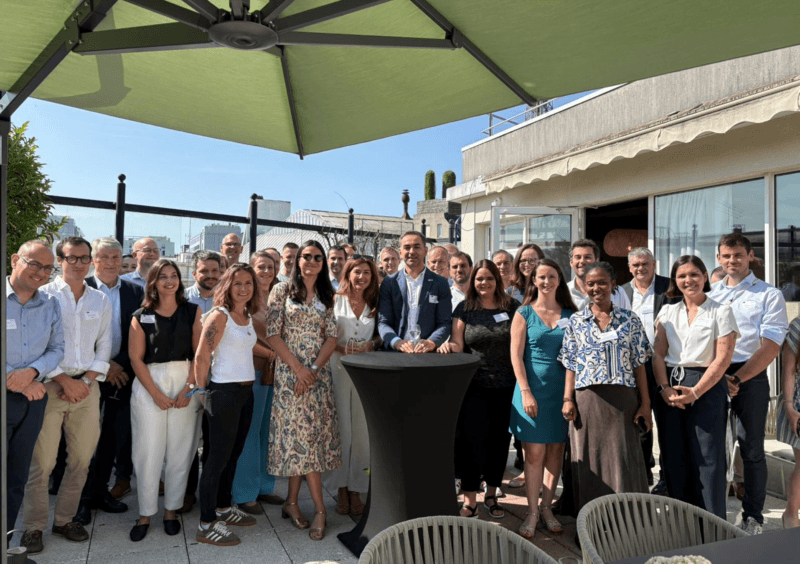
Sooma and Clariane launch multi-country pilot following successful EIC Corporate Partnership Programme
Read more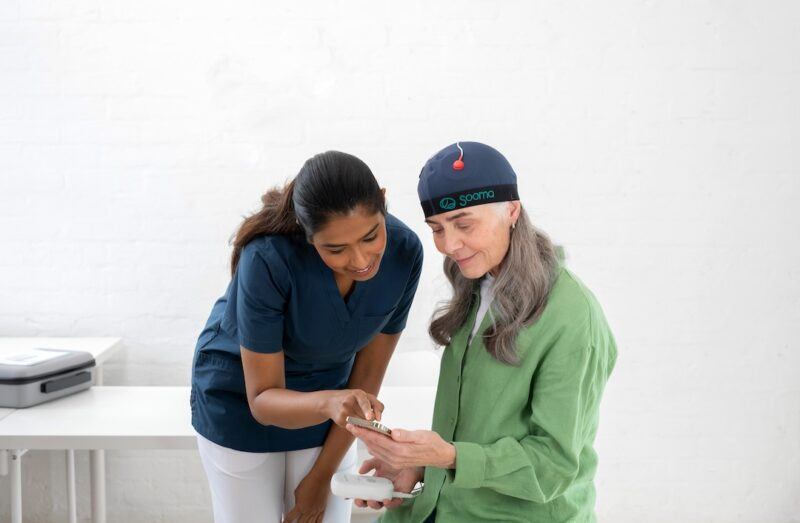
Treating Depression Differently: Integrating tDCS Into Your Treatment Pathway
Read more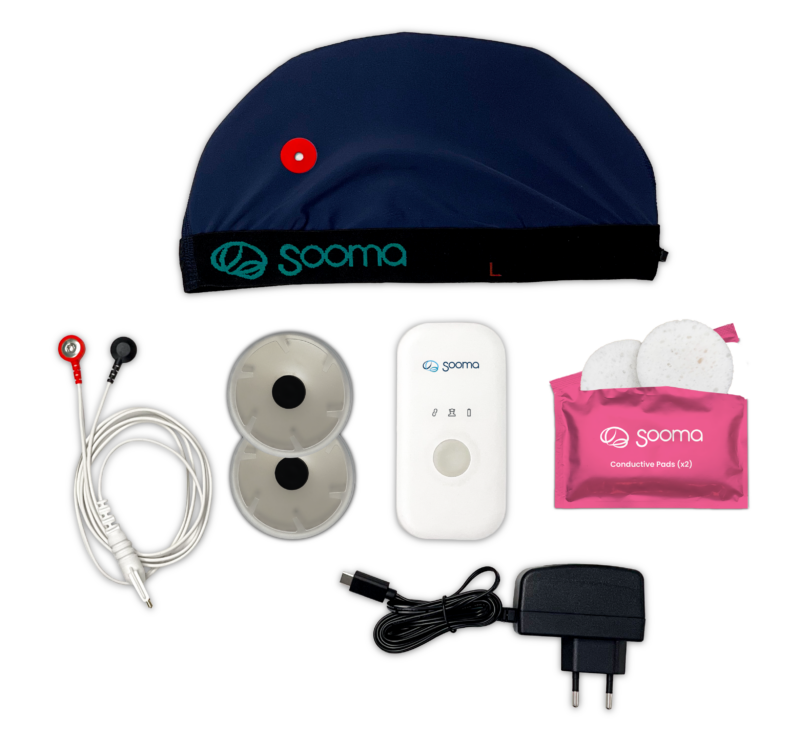
Support & Feedback form
Read more